
Why Linux Skills Are Essential for Every Tech Career
In today's technology-driven world, Linux has become one of the most valuable skills an IT professional can possess. From cloud computing and cybersecurity to software development, DevOps, and artificial intelligence, Linux powers much of the modern digital infrastructure. Whether you're browsing a website, streaming a movie, using cloud services, or interacting with an Android device, there's a good chance Linux is working behind the scenes.
Despite its widespread adoption, many aspiring IT professionals focus only on Windows or macOS, overlooking Linux entirely. This can limit career opportunities, as employers increasingly seek candidates who are comfortable working in Linux environments.
The good news is that learning Linux doesn't require years of experience. With consistent practice and a solid understanding of its fundamentals, anyone can build practical Linux skills that open doors to exciting and well-paying technology careers.
In this guide, you'll discover why Linux is so important, where it's used, the essential skills every beginner should learn, and how mastering Linux can accelerate your professional growth.
What Is Linux?
Linux is an open-source operating system based on the Unix operating system. It was first introduced by Linus Torvalds in 1991 and has since evolved into one of the most reliable, secure, and flexible operating systems in the world.
Unlike proprietary operating systems, Linux is open source, meaning developers around the world can contribute to its improvement. This collaborative approach has led to a vast ecosystem of Linux distributions (often called "distros") designed for different purposes.
Popular Linux distributions include:
- Ubuntu
- Debian
- Fedora
- CentOS Stream
- Rocky Linux
- AlmaLinux
- Kali Linux
- Arch Linux
Each distribution serves different users, from beginners to experienced system administrators and cybersecurity professionals.
Why Linux Dominates Modern Technology
Linux is the backbone of much of today's technology ecosystem. Its stability, security, and flexibility make it the preferred operating system for organizations of all sizes.
Linux powers:
- Most web servers
- Cloud computing platforms
- Supercomputers
- Android smartphones
- Internet of Things (IoT) devices
- Network infrastructure
- Enterprise data centers
- Embedded systems
Because of its reliability and scalability, Linux has become the standard operating system for mission-critical applications.
Why Every IT Professional Should Learn Linux
Regardless of your chosen technology career, Linux knowledge provides a significant advantage.
1. Linux Powers the Cloud
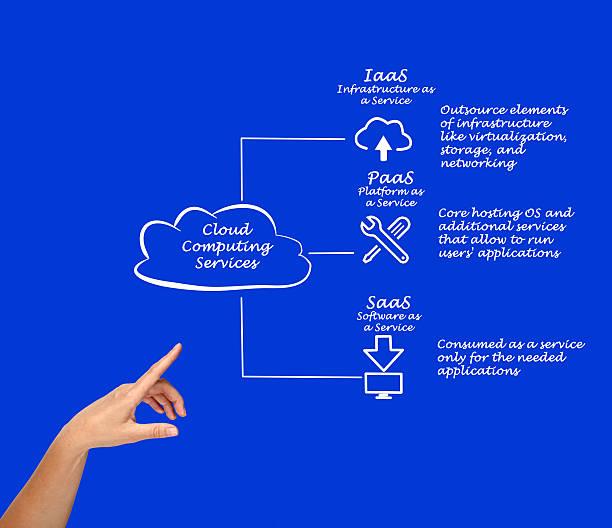
Cloud computing has transformed how organizations deploy applications and manage infrastructure. Major cloud providers such as Amazon Web Services (AWS), Microsoft Azure, and Google Cloud Platform rely heavily on Linux-based servers.
Cloud engineers regularly perform tasks such as:
- Managing virtual machines
- Configuring servers
- Deploying applications
- Monitoring system performance
- Troubleshooting services
Without Linux skills, working effectively in cloud environments becomes much more difficult.
2. Linux Is Essential for Cybersecurity
Cybersecurity professionals depend on Linux for penetration testing, digital forensics, malware analysis, and security monitoring.
Popular cybersecurity tools—including Kali Linux, Nmap, Metasploit, Wireshark, and Aircrack-ng—are built to run on Linux or work best in Linux environments.
Ethical hackers often use Linux because it offers greater control over networking, scripting, and system configuration.
3. Linux Supports DevOps Practices
DevOps engineers automate software deployment, infrastructure management, and application monitoring. Most DevOps tools are designed with Linux environments in mind.
Common DevOps tools include:
- Docker
- Kubernetes
- Jenkins
- Ansible
- Terraform
- Git
A strong understanding of Linux helps professionals automate workflows, manage servers, and troubleshoot deployment issues.
4. Software Developers Benefit from Linux
Many programming languages and frameworks are optimized for Linux.
Developers use Linux to build:
- Web applications
- APIs
- Mobile backends
- Microservices
- Cloud-native applications
Linux provides a powerful command-line interface, package managers, and development tools that streamline the software development process.
5. Linux Improves Problem-Solving Skills
Working with Linux encourages a deeper understanding of how operating systems function.
You'll learn:
- File system organization
- Process management
- User permissions
- Networking
- Shell scripting
These skills strengthen your troubleshooting abilities and make you a more versatile IT professional.
Essential Linux Skills Every Beginner Should Learn
If you're starting your Linux journey, focus on mastering these core areas.
Command-Line Navigation
Learn commands such as:
pwdlscdmkdirrmcpmv
Understanding the terminal is fundamental to working efficiently in Linux.
File Permissions
Linux uses a permission system to control access to files and directories.
You'll need to understand:
- Read permissions
- Write permissions
- Execute permissions
- Ownership
- Groups
Commands like chmod and chown are essential for managing file security.
Package Management
Linux applications are installed using package managers.
Examples include:
aptdnfyumpacman
Learning package management simplifies software installation and maintenance.
User Management
System administrators regularly:
- Create users
- Modify user accounts
- Assign permissions
- Manage groups
Understanding user management is important for server administration.
Networking Basics
Linux professionals should know how to:
- View IP addresses
- Test network connectivity
- Configure network interfaces
- Troubleshoot DNS issues
Useful commands include:
ippingnetstatsscurlwget
Shell Scripting
Shell scripting automates repetitive tasks.
Even basic Bash scripts can save significant time when managing systems or performing administrative tasks.
Career Opportunities That Require Linux
Linux skills are valuable across many technology roles, including:
- System Administrator
- Linux Administrator
- Cloud Engineer
- DevOps Engineer
- Site Reliability Engineer (SRE)
- Cybersecurity Analyst
- Ethical Hacker
- Software Developer
- Network Engineer
- Database Administrator
- Platform Engineer
Many of these positions list Linux proficiency as a required or preferred qualification.
Benefits of Learning Linux
Investing time in Linux offers several long-term advantages.
Increased Employability
Many organizations prioritize candidates with Linux experience due to its widespread use in enterprise environments.
Better Salary Potential
Professionals with Linux expertise often qualify for specialized roles that offer competitive compensation.
Strong Open-Source Community
Linux has one of the largest open-source communities in the world.
Developers regularly contribute documentation, tutorials, software, and support, making it easier for beginners to learn.
Continuous Learning
Linux evolves continuously, exposing learners to new technologies, automation tools, and best practices.
Common Mistakes Beginners Make
Avoid these common pitfalls when learning Linux.
- Memorizing commands without understanding their purpose.
- Ignoring the command line.
- Avoiding shell scripting.
- Practicing only through tutorials without building projects.
- Fearing mistakes instead of experimenting in virtual machines.
Hands-on practice is the key to developing confidence and practical skills.
How to Start Learning Linux
Follow this simple learning plan.
Step 1
Install Ubuntu in a virtual machine using VirtualBox or VMware.
Step 2
Practice basic command-line navigation daily.
Step 3
Learn file permissions and user management.
Step 4
Study networking and package management.
Step 5
Write simple Bash scripts to automate routine tasks.
Step 6
Build projects such as:
- Hosting a web server
- Configuring SSH access
- Creating automated backups
- Deploying Docker containers
Projects help reinforce concepts and demonstrate your skills to employers.
The Future of Linux
Linux continues to expand into new technology sectors.
Emerging trends include:
- Artificial Intelligence infrastructure
- Cloud-native computing
- Kubernetes orchestration
- Edge computing
- Internet of Things
- High-performance computing
- Embedded systems
- Cybersecurity automation
As digital transformation accelerates, Linux will remain a foundational technology for modern IT environments.
Frequently Asked Questions
Is Linux difficult to learn?
Linux has a learning curve, especially if you're unfamiliar with the command line, but consistent practice makes it much easier over time.
Which Linux distribution is best for beginners?
Ubuntu is widely recommended for beginners because of its user-friendly interface, extensive documentation, and strong community support.
Do programmers need Linux?
While it's not mandatory, Linux is highly beneficial for developers working with web applications, cloud platforms, containers, and open-source technologies.
Is Linux free?
Yes. Most Linux distributions are free to download, use, and modify under open-source licenses.
Can Linux skills help me get a job?
Absolutely. Linux is one of the most requested technical skills in cloud computing, cybersecurity, DevOps, and systems administration.
Conclusion
Linux is more than just an operating system—it's a foundational skill that empowers professionals across nearly every area of technology. Whether you're pursuing a career in software development, cloud computing, cybersecurity, DevOps, or systems administration, Linux knowledge will enhance your technical abilities and increase your value in the job market.
By mastering the command line, understanding system administration, learning shell scripting, and building practical projects, you'll develop skills that remain relevant as technology continues to evolve. In a world increasingly driven by open-source innovation and cloud-native infrastructure, learning Linux is not just a smart choice—it's an investment in a future-ready career.
Recent Insights


Student Reviews
Authentic experiences and reviews from our global training alumni will be displayed right here shortly.
Global Cohort
Advance From Foundation To Technical Leadership
Secure your specialized path tracker in Cyber Analytics, Data Science, or Cloud Systems Engineering.
Join Training Track