Top 15 Cloud Computing Services Every IT Professional Should Understand
Cloud computing has fundamentally changed how businesses build, deploy, and manage technology. Instead of investing heavily in physical servers and maintaining expensive data centers, organizations can access computing resources on demand through cloud providers such as Amazon Web Services (AWS), Microsoft Azure, and Google Cloud Platform (GCP). This flexibility has accelerated digital transformation across industries and created a growing demand for professionals who understand cloud technologies.
While cloud platforms offer hundreds of different services, mastering every one of them is unnecessary for most IT professionals. However, understanding the core categories of cloud services is essential for building scalable applications, securing infrastructure, managing data, and optimizing costs. Whether you're pursuing a career in cloud engineering, software development, cybersecurity, DevOps, or system administration, familiarity with these services provides a strong technical foundation.
In this guide, we'll explore the 15 most important cloud computing service categories, explain how they work, highlight their business benefits, and provide examples from leading cloud providers.
What Are Cloud Computing Services?
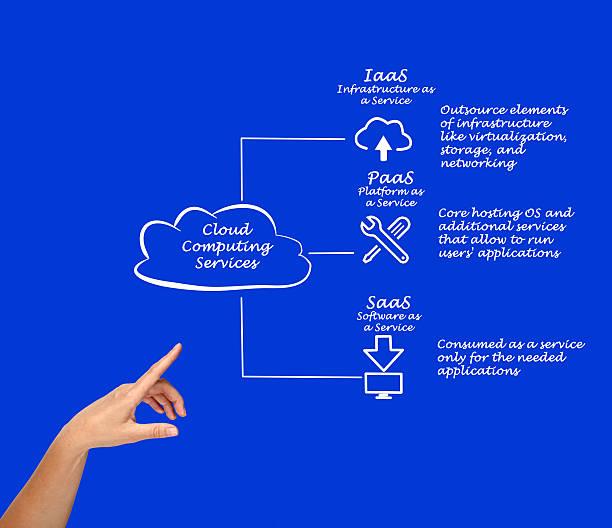
Cloud computing services are on-demand technology resources delivered over the internet. Instead of purchasing and maintaining physical hardware, businesses rent computing resources as needed and pay only for what they use.
Cloud services help organizations:
- Reduce infrastructure costs
- Improve scalability
- Increase reliability
- Accelerate application deployment
- Support remote collaboration
- Enhance business continuity
Major cloud providers offer services across computing, storage, networking, security, artificial intelligence, analytics, and application development.
1. Compute Services
Compute services provide virtual machines and processing power for running applications.
Common use cases include:
- Hosting websites
- Running enterprise applications
- Application testing
- Business workloads
Examples include:
- Amazon EC2
- Azure Virtual Machines
- Google Compute Engine
Compute services allow organizations to scale resources based on demand.
2. Cloud Storage Services
Cloud storage enables organizations to store files, backups, and application data securely.
Benefits include:
- High durability
- Scalability
- Disaster recovery
- Global accessibility
Popular services include:
- Amazon S3
- Azure Blob Storage
- Google Cloud Storage
Cloud storage is widely used for backups, multimedia content, and big data.
3. Database Services
Cloud providers offer fully managed database solutions that reduce administrative overhead.
Common database types include:
- Relational databases
- NoSQL databases
- In-memory databases
Examples:
- Amazon RDS
- Azure SQL Database
- Google Cloud SQL
Managed databases improve reliability, backups, and scalability.
4. Networking Services
Networking services connect cloud resources securely.
These include:
- Virtual Private Clouds (VPCs)
- Load balancers
- DNS services
- VPNs
- Content Delivery Networks (CDNs)
Reliable networking ensures secure communication between applications and users.
5. Identity and Access Management (IAM)
IAM services control who can access cloud resources and what actions they are permitted to perform.
Core features include:
- User authentication
- Role-based access control
- Permissions management
- Multi-Factor Authentication (MFA)
IAM is essential for maintaining cloud security and regulatory compliance.
6. Serverless Computing
Serverless computing allows developers to run code without managing servers.
Applications execute automatically when triggered by specific events.
Benefits include:
- Reduced operational complexity
- Automatic scaling
- Cost efficiency
- Faster development
Examples:
- AWS Lambda
- Azure Functions
- Google Cloud Functions
7. Container Services
Containers package applications with all required dependencies.
Cloud container services simplify deployment and orchestration.
Popular solutions include:
- Amazon Elastic Kubernetes Service (EKS)
- Azure Kubernetes Service (AKS)
- Google Kubernetes Engine (GKE)
Containers support modern cloud-native application development.
8. Artificial Intelligence and Machine Learning Services
Cloud platforms provide managed AI tools for building intelligent applications.
Common capabilities include:
- Image recognition
- Natural language processing
- Predictive analytics
- Chatbots
- Speech recognition
These services enable businesses to adopt AI without building complex infrastructure from scratch.
9. Monitoring and Logging Services
Monitoring services provide visibility into application health and infrastructure performance.
They help organizations:
- Detect failures
- Analyze logs
- Monitor system metrics
- Respond to incidents
Continuous monitoring improves reliability and operational efficiency.
10. Security Services
Cloud security services help protect infrastructure, applications, and sensitive data.
Typical capabilities include:
- Threat detection
- Vulnerability assessments
- Encryption
- Firewall management
- Security monitoring
Strong security controls reduce organizational risk.
11. Content Delivery Networks (CDNs)
CDNs distribute content across geographically distributed servers.
Benefits include:
- Faster website performance
- Lower latency
- Improved user experience
- Reduced server load
CDNs are particularly valuable for websites serving global audiences.
12. Backup and Disaster Recovery Services
Cloud backup services protect business data against accidental deletion, hardware failures, and cyberattacks.
Key benefits include:
- Automated backups
- Rapid recovery
- Business continuity
- Reduced downtime
Every organization should implement a disaster recovery strategy.
13. Messaging and Queue Services
Messaging services enable reliable communication between distributed applications.
Common use cases include:
- Event-driven architectures
- Microservices
- Background processing
- Order management systems
Queues improve application resilience and scalability.
14. Analytics and Big Data Services
Cloud analytics platforms help organizations process and analyze large datasets.
Applications include:
- Business intelligence
- Customer insights
- Predictive analytics
- Operational reporting
Cloud-based analytics reduce infrastructure complexity while supporting data-driven decision-making.
15. DevOps and CI/CD Services
Cloud providers offer tools that automate software development and deployment.
Common capabilities include:
- Source code management
- Automated testing
- Continuous Integration
- Continuous Deployment
- Infrastructure automation
These services accelerate software delivery while improving reliability.
How to Choose the Right Cloud Services
When selecting cloud services, organizations should consider:
- Business requirements
- Performance needs
- Security requirements
- Regulatory compliance
- Budget constraints
- Scalability
- Ease of integration
The best solution depends on organizational goals rather than simply choosing the most feature-rich service.
Best Practices for Using Cloud Services
To maximize the value of cloud computing:
- Enable Multi-Factor Authentication.
- Monitor cloud spending regularly.
- Implement Identity and Access Management.
- Encrypt sensitive data.
- Automate backups.
- Keep resources updated.
- Review security policies periodically.
- Document cloud architectures.
Following these practices improves security, reliability, and cost efficiency.
Career Opportunities
Knowledge of cloud services supports many technology careers.
Examples include:
- Cloud Engineer
- Cloud Architect
- DevOps Engineer
- Cloud Security Engineer
- Solutions Architect
- Systems Administrator
- Site Reliability Engineer (SRE)
- Software Developer
As cloud adoption continues to grow, these roles remain in high demand worldwide.
Future Trends
Cloud computing continues to evolve rapidly.
Key trends include:
- AI-powered cloud management
- Serverless architectures
- Edge computing
- Multi-cloud strategies
- Sustainable cloud computing
- Platform engineering
- FinOps
- Confidential computing
Understanding these trends helps professionals stay competitive in the evolving technology landscape.
Frequently Asked Questions
Which cloud provider should beginners learn first?
AWS is a common starting point due to its broad adoption, but Microsoft Azure and Google Cloud Platform are also excellent options depending on your career goals and local job market.
Are cloud services only for large businesses?
No. Businesses of all sizes, including startups and small organizations, use cloud services because they offer flexibility and cost-effective pricing.
Do I need programming skills to use cloud services?
Basic programming knowledge is helpful, especially for automation and serverless computing, but many cloud services can also be managed through graphical interfaces.
Is cloud computing difficult to learn?
Cloud computing has a learning curve, but understanding networking, Linux, and basic IT concepts makes the learning process much easier.
Are cloud skills still in demand in 2026?
Yes. Cloud computing remains one of the fastest-growing areas in information technology, with organizations continuing to migrate workloads to the cloud.
Conclusion
Cloud computing services have become essential components of modern IT infrastructure, enabling organizations to innovate faster, scale efficiently, and reduce operational complexity. By understanding key service categories such as compute, storage, databases, networking, identity management, serverless computing, containers, analytics, and security, IT professionals can build a strong foundation for successful careers in cloud computing.
Rather than trying to master every cloud service at once, focus on understanding the core concepts and gaining practical experience through hands-on projects. As cloud technologies continue to evolve, a solid understanding of these fundamental services will help you adapt to new tools, architectures, and career opportunities.
Recent Insights



Student Reviews
Authentic experiences and reviews from our global training alumni will be displayed right here shortly.
Global Cohort
Advance From Foundation To Technical Leadership
Secure your specialized path tracker in Cyber Analytics, Data Science, or Cloud Systems Engineering.
Join Training Track