
The Growing Importance of Cloud Computing for Modern Businesses
Introduction
Technology continues to reshape how businesses operate, communicate, and deliver value to customers. Among the most significant technological advancements in recent years is cloud computing, which has transformed the way organizations manage data, applications, and IT infrastructure.
From startups to multinational corporations, businesses are increasingly adopting cloud computing to improve operational efficiency, reduce costs, and enhance scalability. The flexibility and accessibility offered by cloud solutions have made them essential tools for modern business success.
This article explores the importance of cloud computing, its benefits, and why organizations across industries are embracing cloud technology.
What Is Cloud Computing?
Cloud computing refers to the delivery of computing services over the internet instead of relying solely on local servers or personal devices.
These services may include:
- Data storage
- Networking
- Software applications
- Databases
- Analytics
- Artificial intelligence tools
- Security services
Cloud providers manage the infrastructure, allowing businesses to access resources on demand.
Key Benefits of Cloud Computing
Cost Efficiency
One of the biggest advantages of cloud computing is reduced operational costs.
Businesses can avoid large investments in:
- Physical servers
- Hardware maintenance
- Data centers
- Software licensing
Cloud services typically operate on a subscription or pay-as-you-use model, helping organizations manage expenses more effectively.
Scalability and Flexibility
Business needs often change over time.
Cloud computing allows organizations to:
- Increase storage capacity
- Expand computing power
- Add new applications
- Support business growth
This flexibility ensures businesses only pay for resources they actually need.
Enhanced Accessibility
Cloud-based systems enable employees to access applications and data from virtually anywhere with an internet connection.
Benefits include:
- Remote work support
- Improved collaboration
- Faster communication
- Increased productivity
As hybrid work environments become more common, cloud accessibility has become increasingly valuable.
Cloud Computing and Digital Transformation
Digital transformation requires organizations to adopt technologies that improve efficiency and customer experiences.
Cloud computing serves as the foundation for many digital initiatives, including:
- Artificial intelligence
- Big data analytics
- Customer relationship management
- E-commerce platforms
- Business automation
Without cloud infrastructure, many digital transformation projects would be more expensive and difficult to implement.
Improved Data Security
Contrary to common misconceptions, cloud computing can enhance cybersecurity when properly implemented.
Leading cloud providers invest heavily in:
- Data encryption
- Threat detection
- Security monitoring
- Disaster recovery
- Regulatory compliance
These security measures often exceed what many small and medium-sized businesses can provide independently.
Business Continuity and Disaster Recovery
Unexpected events such as cyberattacks, hardware failures, or natural disasters can disrupt business operations.
Cloud computing supports business continuity through:
- Automated backups
- Geographic redundancy
- Rapid recovery capabilities
- Data replication
These features help organizations minimize downtime and protect critical information.
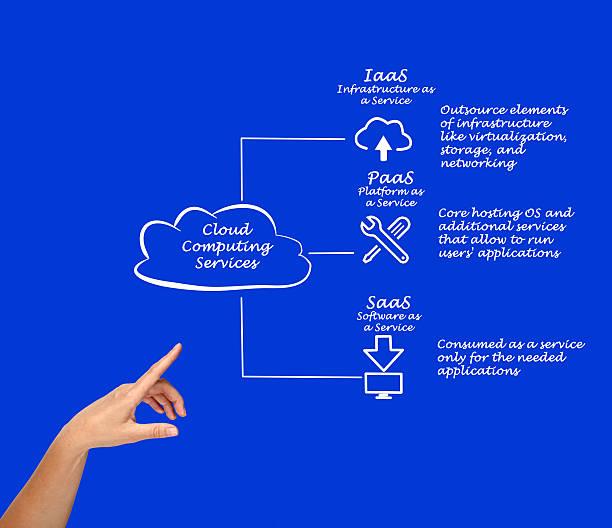
Cloud Service Models
Infrastructure as a Service (IaaS)
Provides virtualized computing resources such as servers, storage, and networking.
Platform as a Service (PaaS)
Offers development platforms that help businesses build and deploy applications.
Software as a Service (SaaS)
Delivers software applications through the internet.
Popular examples include:
- CRM platforms
- Collaboration tools
- Accounting software
Challenges of Cloud Adoption
While cloud computing offers numerous benefits, organizations should also consider:
Security Responsibilities
Businesses must implement proper access controls and security policies.
Vendor Dependence
Choosing the right cloud provider is essential to avoid service disruptions.
Compliance Requirements
Organizations must ensure cloud environments meet industry regulations and standards.
Proper planning helps mitigate these challenges.
Future Trends in Cloud Computing
Cloud technology continues to evolve rapidly.
Emerging trends include:
- Multi-cloud strategies
- Edge computing
- Artificial intelligence integration
- Serverless computing
- Cloud-native development
These innovations will continue shaping business operations and technology strategies.
Conclusion
Cloud computing has become a cornerstone of modern business operations. Its ability to provide scalability, flexibility, security, and cost efficiency makes it an essential technology for organizations seeking growth and competitiveness.
As digital transformation accelerates, businesses that embrace cloud computing will be better positioned to innovate, adapt, and succeed in an increasingly technology-driven marketplace.
Recent Insights


Student Reviews
Authentic experiences and reviews from our global training alumni will be displayed right here shortly.
Global Cohort
Advance From Foundation To Technical Leadership
Secure your specialized path tracker in Cyber Analytics, Data Science, or Cloud Systems Engineering.
Join Training Track