
How Cloud Computing Is Driving Digital Transformation Across Industries
Introduction
Cloud computing has become one of the most transformative technologies in the modern business landscape. Organizations of all sizes are moving away from traditional on-premises infrastructure and embracing cloud-based solutions to improve flexibility, reduce operational costs, and accelerate innovation.
From startups to multinational enterprises, businesses now rely on cloud computing to manage applications, store data, support remote teams, and enhance cybersecurity. As digital transformation continues to reshape industries, cloud computing serves as the foundation for many technological advancements, including artificial intelligence (AI), machine learning, big data analytics, and automation.
Whether you're a healthcare provider, financial institution, educational organization, manufacturing company, or retail business, adopting cloud computing can help improve efficiency, scalability, and long-term business resilience.
What Is Cloud Computing?
Cloud computing is the delivery of computing services—including servers, storage, databases, networking, software, and analytics—over the internet instead of relying solely on local hardware.
Rather than investing heavily in physical infrastructure, businesses can access technology resources on demand and pay only for what they use.
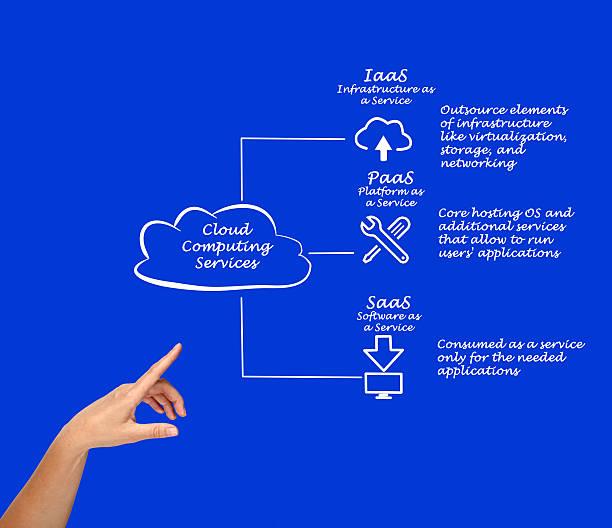
Common cloud service models include:
- Infrastructure as a Service (IaaS)
- Platform as a Service (PaaS)
- Software as a Service (SaaS)
Popular cloud providers include:
- Amazon Web Services (AWS)
- Microsoft Azure
- Google Cloud Platform (GCP)
These providers offer reliable, scalable, and secure cloud environments for businesses across various industries.
Why Businesses Are Moving to the Cloud
Organizations are embracing cloud computing because it solves many challenges associated with traditional IT infrastructure.
Some of the key drivers include:
- Increasing demand for remote work
- Rising cybersecurity threats
- Need for scalable infrastructure
- Faster software deployment
- Reduced operational costs
- Improved disaster recovery
Cloud technology enables organizations to remain agile and competitive in today's rapidly changing business environment.
Key Benefits of Cloud Computing
1. Scalability and Flexibility
One of the biggest advantages of cloud computing is scalability.
Businesses can quickly increase or decrease computing resources depending on demand.
For example:
- E-commerce businesses can scale during holiday shopping seasons.
- Educational platforms can accommodate increased online learning.
- Healthcare providers can expand digital patient services.
This flexibility ensures organizations only pay for the resources they actually need.
2. Cost Efficiency
Traditional IT infrastructure requires significant investments in:
- Physical servers
- Data centers
- Maintenance
- Hardware replacement
- Energy consumption
Cloud computing replaces large capital expenses with predictable operational costs through subscription or pay-as-you-go pricing models.
This allows businesses to allocate more resources toward innovation and growth.
3. Improved Collaboration
Modern businesses often have distributed teams working from multiple locations.
Cloud-based collaboration tools allow employees to:
- Share files securely
- Work on documents simultaneously
- Communicate in real time
- Access applications from anywhere
Improved collaboration leads to increased productivity and better project management.
4. Enhanced Cybersecurity
Leading cloud providers invest billions of dollars annually in cybersecurity technologies.
Cloud security features often include:
- Data encryption
- Identity and access management
- Multi-factor authentication
- Continuous threat monitoring
- Security updates
- Compliance management
While businesses remain responsible for implementing proper security policies, cloud providers offer infrastructure that often exceeds the capabilities of many on-premises environments.
Cloud Computing and Digital Transformation
Digital transformation depends heavily on cloud computing.
Organizations implementing technologies such as:
- Artificial Intelligence
- Business Intelligence
- Machine Learning
- Internet of Things (IoT)
- Customer Relationship Management (CRM)
- Enterprise Resource Planning (ERP)
require cloud infrastructure to support these advanced capabilities.
Cloud platforms provide the speed, computing power, and scalability necessary to deploy innovative digital solutions efficiently.
Cloud Computing Across Industries
Healthcare
Healthcare organizations use cloud solutions for:
- Electronic Health Records (EHR)
- Telemedicine
- Medical imaging storage
- Secure patient data management
Cloud computing improves accessibility while supporting regulatory compliance.
Financial Services
Banks and financial institutions leverage cloud technology to:
- Detect fraud
- Improve transaction processing
- Enhance customer experiences
- Strengthen cybersecurity
Cloud computing also supports financial data analytics and regulatory reporting.
Education
Educational institutions increasingly rely on cloud platforms for:
- Virtual classrooms
- Learning management systems
- Online examinations
- Digital collaboration
Cloud computing enables flexible learning experiences for students and educators.
Retail
Retail businesses use cloud technology to:
- Manage inventory
- Analyze customer behavior
- Support e-commerce platforms
- Personalize marketing campaigns
Cloud-based analytics help retailers make data-driven decisions that improve profitability.
Cloud Migration Best Practices
Successfully moving to the cloud requires careful planning.
Organizations should:
Conduct an Infrastructure Assessment
Evaluate existing systems, applications, and workloads before migration.
Develop a Cloud Strategy
Identify business goals, priorities, budgets, and timelines.
Prioritize Security
Implement robust security measures, including encryption, access controls, and continuous monitoring.
Train Employees
Provide staff with the knowledge required to use cloud technologies effectively.
Partner with Cloud Experts
Experienced cloud consultants can help minimize risks and ensure a smooth migration process.
Common Challenges
Despite its many advantages, cloud adoption presents challenges such as:
- Legacy application compatibility
- Data migration complexity
- Compliance requirements
- Cost optimization
- Vendor selection
Proper planning and expert guidance help organizations overcome these obstacles successfully.
Future Trends in Cloud Computing
Cloud computing continues to evolve rapidly.
Emerging trends include:
- Hybrid cloud environments
- Multi-cloud strategies
- Edge computing
- AI-powered cloud services
- Serverless computing
- Cloud-native application development
These innovations will continue transforming business operations across industries.
Conclusion
Cloud computing has become an essential technology for organizations seeking efficiency, scalability, innovation, and resilience. By moving to the cloud, businesses can reduce operational costs, strengthen cybersecurity, improve collaboration, and accelerate digital transformation initiatives.
As technology continues to evolve, organizations that embrace cloud computing will be better positioned to adapt to changing market demands, deliver exceptional customer experiences, and achieve sustainable long-term growth. Investing in cloud computing today is not simply a technology decision—it is a strategic investment in the future of your business.
Recent Insights


Student Reviews
Authentic experiences and reviews from our global training alumni will be displayed right here shortly.
Global Cohort
Advance From Foundation To Technical Leadership
Secure your specialized path tracker in Cyber Analytics, Data Science, or Cloud Systems Engineering.
Join Training Track