
Disaster Recovery Planning: Why Every Business Needs a Business Continuity Strategy
Introduction
No business is immune to unexpected disruptions. Cyberattacks, hardware failures, natural disasters, human error, and power outages can interrupt operations at any time. For organizations that rely heavily on technology, even a few hours of downtime can lead to significant financial losses, damaged customer trust, and operational setbacks.
Despite these risks, many businesses still operate without a comprehensive disaster recovery plan or a well-defined business continuity strategy. They often assume disasters are unlikely or believe that regular data backups alone are enough to recover from an incident. Unfortunately, this assumption can prove costly.
Disaster recovery planning goes beyond simply restoring files. It ensures that critical business systems, applications, and operations can recover quickly after an unexpected event, allowing organizations to continue serving customers with minimal disruption.
In today's digital landscape, disaster recovery planning is no longer optional—it is a vital part of every organization's technology strategy.
What Is Disaster Recovery Planning?
Disaster recovery planning is the process of creating procedures and technologies that enable an organization to recover IT systems, applications, and data after a disruptive event.
A disaster recovery plan typically includes:
- Data backup procedures
- System recovery processes
- Communication plans
- Recovery responsibilities
- Recovery timelines
- Testing schedules
The primary objective is to restore critical business operations as quickly and efficiently as possible.
Understanding Business Continuity
Although disaster recovery and business continuity are closely related, they are not identical.
Disaster Recovery focuses primarily on restoring IT systems and data after an incident.
Business Continuity Planning (BCP) focuses on ensuring that the entire organization can continue operating during and after a disruption.
A strong business continuity strategy includes disaster recovery as one of its essential components.
Common Threats That Disrupt Business Operations
Organizations face numerous threats that can interrupt normal operations, including:
Cyberattacks
Cybercriminals frequently target businesses with ransomware, phishing attacks, malware, and data breaches.
These attacks can lock organizations out of their systems and compromise sensitive information.
Hardware Failure
Servers, storage devices, and networking equipment eventually fail.
Without proper recovery plans, hardware failures can lead to extended downtime.
Human Error
Employees may accidentally delete files, misconfigure systems, or expose sensitive data.
Human error remains one of the leading causes of business disruptions.
Natural Disasters
Floods, fires, storms, and earthquakes can damage physical infrastructure and interrupt business operations.
Power Outages
Unexpected power failures can impact data centers, office networks, and business-critical systems.
Why Disaster Recovery Planning Matters
Minimizes Downtime
One of the biggest benefits of disaster recovery planning is reducing downtime.
Fast recovery ensures employees can resume work quickly while minimizing disruptions to customers and operations.
Protects Critical Business Data
Business data is one of an organization's most valuable assets.
Disaster recovery strategies help protect:
- Customer records
- Financial information
- Business applications
- Operational data
- Intellectual property
Regular backups and cloud-based replication reduce the risk of permanent data loss.
Reduces Financial Losses
Downtime can result in:
- Lost revenue
- Reduced productivity
- Missed business opportunities
- Contract penalties
- Recovery expenses
A well-prepared recovery strategy minimizes these financial impacts.
Strengthens Customer Trust
Customers expect businesses to remain available and reliable.
Organizations that recover quickly from disruptions demonstrate professionalism and reliability, strengthening customer confidence.
Essential Components of a Disaster Recovery Plan
Risk Assessment
Identify potential threats that could disrupt business operations.
Evaluate both the likelihood and potential impact of each risk.
Business Impact Analysis
Determine which systems and processes are most critical to business operations.
Prioritize recovery efforts based on business importance.
Backup Strategy
Organizations should maintain multiple copies of important data using:
- Cloud backups
- Offsite storage
- Automated backup systems
Regular testing ensures backups remain usable.
Recovery Objectives
Every recovery plan should define:
Recovery Time Objective (RTO): How quickly systems should be restored.
Recovery Point Objective (RPO): The acceptable amount of data loss after an incident.
These objectives guide recovery planning and technology investments.
Communication Plan
Clear communication is essential during emergencies.
Businesses should establish procedures for notifying:
- Employees
- Customers
- Vendors
- Stakeholders
Timely communication reduces confusion and supports coordinated recovery efforts.
Cloud-Based Disaster Recovery
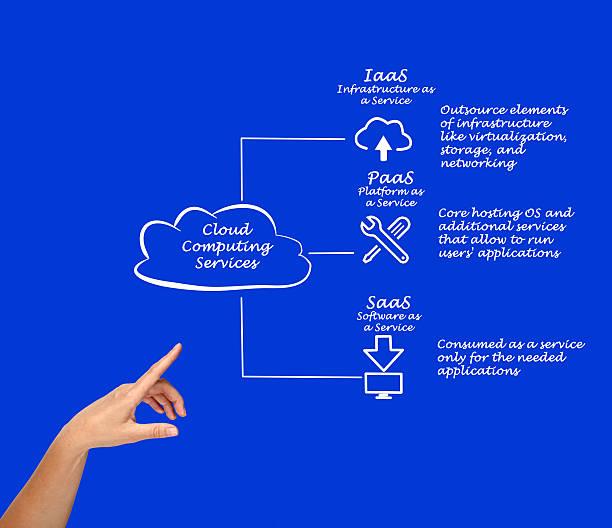
Cloud computing has transformed disaster recovery planning.
Cloud-based recovery solutions offer:
- Automated backups
- Geographic redundancy
- Rapid recovery
- Lower infrastructure costs
- Improved scalability
Businesses can restore operations much faster than traditional recovery methods.
Cloud disaster recovery has become an essential component of modern business continuity strategies.
Testing Your Disaster Recovery Plan
A disaster recovery plan should never remain untested.
Organizations should conduct regular exercises that simulate real-world scenarios.
Testing helps verify:
- Backup integrity
- Recovery procedures
- Employee readiness
- Communication effectiveness
Regular testing also identifies weaknesses before actual disasters occur.
Best Practices for Business Continuity
Organizations should:
- Update recovery plans regularly.
- Train employees on emergency procedures.
- Maintain secure offsite backups.
- Monitor cybersecurity threats continuously.
- Review business risks annually.
- Partner with experienced IT professionals.
Continuous improvement ensures recovery strategies remain effective as business needs evolve.
The Future of Disaster Recovery
Emerging technologies continue to improve disaster recovery capabilities.
Future trends include:
- Artificial intelligence-driven recovery
- Automated failover systems
- Predictive risk monitoring
- Hybrid cloud recovery
- Zero Trust security integration
These innovations will help businesses recover more quickly and reduce operational risks.
Conclusion
Every organization, regardless of size or industry, faces the possibility of unexpected disruptions. A well-designed disaster recovery plan and business continuity strategy help businesses protect valuable data, minimize downtime, maintain customer trust, and recover quickly from unforeseen events.
By investing in disaster recovery planning, cloud backup solutions, and proactive risk management, organizations can strengthen their resilience and ensure long-term operational success in an increasingly digital world.
Recent Insights

Student Reviews
Authentic experiences and reviews from our global training alumni will be displayed right here shortly.
Global Cohort
Advance From Foundation To Technical Leadership
Secure your specialized path tracker in Cyber Analytics, Data Science, or Cloud Systems Engineering.
Join Training Track