
Why Practical Tech Skills Matter More Than Degrees
Introduction
For many years, earning a university degree was considered the primary pathway to a successful career. While degrees still hold value, the technology industry has experienced a significant shift in hiring practices.
Today, employers are increasingly prioritizing practical technology skills over academic qualifications alone. Organizations want professionals who can solve real-world problems, work with modern tools, and contribute immediately to business objectives.
As a result, individuals with hands-on experience, industry certifications, and strong portfolios are often competing successfully against candidates with traditional academic credentials.
This shift is creating new opportunities for students, career changers, and self-taught professionals to enter the technology workforce.
The Changing Technology Job Market
Technology evolves faster than most academic programs can adapt.
New technologies emerge regularly, including:
- Artificial Intelligence
- Cloud Computing
- Cybersecurity Solutions
- Data Analytics Platforms
- Automation Technologies
Because of this rapid change, employers increasingly focus on demonstrated skills rather than educational backgrounds.
The question has changed from:
"What degree do you have?"
to
"What can you do?"
Why Employers Value Practical Skills
Immediate Productivity
Organizations want employees who can contribute quickly.
Candidates with practical experience often require less onboarding and training.
Problem-Solving Ability
Hands-on learning develops real-world problem-solving skills that employers highly value.
Adaptability
Practical learners frequently demonstrate the ability to adapt to new technologies and changing environments.
Proven Competence
A completed project provides tangible evidence of ability.
Employers can evaluate:
- Code quality
- Project outcomes
- Technical understanding
- Communication skills
This often provides more insight than academic transcripts.
The Limitations of Degrees Alone
Degrees provide foundational knowledge but may not always prepare students for workplace demands.
Common challenges include:
Limited Hands-On Experience
Many graduates possess theoretical knowledge but lack practical exposure.
Outdated Curricula
Technology evolves rapidly, making it difficult for educational programs to stay current.
Employer Expectations
Organizations increasingly seek candidates with experience using modern industry tools and platforms.
Practical Skills That Employers Want
Cybersecurity Skills
Businesses need professionals capable of:
- Identifying vulnerabilities
- Monitoring threats
- Managing security risks
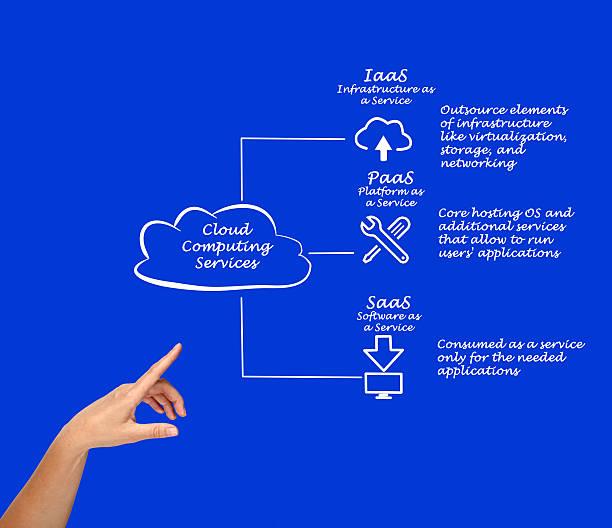
Cloud Computing Skills
Demand continues to grow for expertise in:
- AWS
- Microsoft Azure
- Google Cloud
Data Analytics Skills
Employers value professionals who can:
- Analyze business data
- Create dashboards
- Generate actionable insights
Artificial Intelligence Skills
AI-related skills have become highly sought after.
Examples include:
- Machine Learning
- Prompt Engineering
- AI Automation
The Power of Industry Certifications
Technology certifications help bridge the gap between education and employment.
Benefits include:
- Industry recognition
- Practical knowledge
- Improved employability
- Faster career progression
Popular certifications include:
- CompTIA Security+
- AWS Certified Solutions Architect
- Google Data Analytics Certificate
- Microsoft Azure Certifications
Certifications often focus on real-world skills employers need immediately.
Building Practical Experience Without a Degree
Individuals can gain valuable experience through:
Personal Projects
Examples include:
- Building websites
- Creating mobile apps
- Developing data dashboards
- Setting up cloud environments
Internships
Internships provide hands-on exposure to workplace environments.
Freelancing
Freelance projects help build experience while strengthening portfolios.
Online Learning Platforms
Modern learning platforms provide practical labs and exercises that simulate real-world scenarios.
Why Portfolios Are Becoming Essential
A professional portfolio allows candidates to demonstrate their abilities.
Strong portfolios include:
- Technical projects
- Case studies
- Certifications
- Problem-solving examples
Employers increasingly review portfolios before scheduling interviews.
A portfolio can often differentiate candidates in competitive job markets.
Combining Degrees and Practical Skills
This article does not suggest that degrees are unimportant.
The most successful professionals often combine:
- Academic knowledge
- Practical experience
- Industry certifications
- Continuous learning
This combination creates a well-rounded professional profile.
The Future of Technology Hiring
The future workforce will increasingly focus on skills-based hiring.
Organizations are adopting recruitment strategies that evaluate:
- Competence
- Performance
- Portfolio quality
- Problem-solving ability
As technology continues to evolve, practical expertise will become even more important.
Conclusion
Practical technology skills have become one of the most valuable assets in today's job market. While degrees continue to provide foundational knowledge, employers increasingly prioritize candidates who can demonstrate real-world capabilities.
By focusing on hands-on learning, building projects, earning certifications, and developing a strong portfolio, aspiring professionals can significantly improve their career prospects and position themselves for long-term success in the technology industry.
The future belongs to those who can not only understand technology but also apply it effectively to solve real-world challenges.
Recent Insights


Student Reviews
Authentic experiences and reviews from our global training alumni will be displayed right here shortly.
Global Cohort
Advance From Foundation To Technical Leadership
Secure your specialized path tracker in Cyber Analytics, Data Science, or Cloud Systems Engineering.
Join Training Track