
Why Digital Transformation Is No Longer Optional for Modern Businesses
Introduction
Technology has fundamentally changed the way businesses operate. Customers now expect seamless digital experiences, employees rely on cloud-based collaboration tools, and organizations must respond quickly to changing market conditions. Companies that fail to embrace modern technology often struggle with inefficient processes, rising operational costs, and declining customer satisfaction.
This shift has made digital transformation one of the most important business priorities across every industry.
Digital transformation is more than simply adopting new software or purchasing better computers. It is a comprehensive strategy that integrates digital technologies into every aspect of an organization to improve efficiency, customer experience, innovation, and overall business performance.
Whether you are a startup, a growing business, or a large enterprise, investing in digital transformation helps position your organization for sustainable success in today's competitive marketplace.
What Is Digital Transformation?
Digital transformation is the process of using modern digital technologies to improve business operations, products, services, and customer experiences.
It typically includes technologies such as:
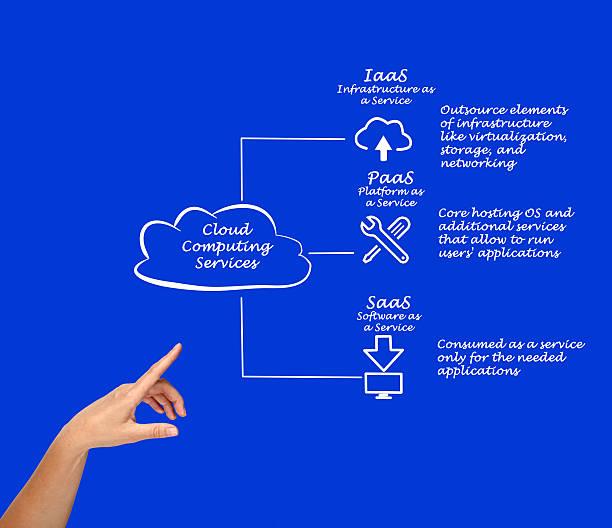
- Cloud computing
- Artificial intelligence (AI)
- Data analytics
- Business process automation
- Cybersecurity solutions
- Internet of Things (IoT)
- Customer Relationship Management (CRM) systems
The objective is to improve efficiency while creating greater value for customers and stakeholders.
Why Businesses Must Embrace Digital Transformation
The business environment continues to evolve rapidly. Organizations face increasing competition, changing consumer expectations, and continuous technological advancements.
Businesses that embrace digital transformation can:
- Respond faster to market changes
- Improve operational efficiency
- Reduce costs
- Increase productivity
- Deliver exceptional customer experiences
- Support innovation
Companies that delay transformation risk falling behind more agile competitors.
Enhancing Customer Experience
Today's customers expect convenience, speed, and personalized service.
Digital transformation enables businesses to offer:
- Online customer support
- Self-service portals
- Mobile applications
- Personalized marketing
- Faster response times
For example, integrating a CRM system allows businesses to understand customer preferences, monitor interactions, and provide tailored recommendations.
Satisfied customers are more likely to remain loyal and recommend your business to others.
Improving Operational Efficiency
Manual processes consume valuable time and often lead to costly errors.
Digital transformation automates repetitive tasks such as:
- Invoice processing
- Customer onboarding
- Inventory management
- Appointment scheduling
- Workflow approvals
Automation improves accuracy while allowing employees to focus on strategic responsibilities rather than administrative work.
As a result, businesses operate more efficiently and reduce operational costs.
Supporting Better Decision-Making
Organizations generate large volumes of data every day.
Without proper analysis, valuable insights remain hidden.
Digital transformation enables businesses to use:
- Business intelligence tools
- Data analytics platforms
- Real-time dashboards
- Predictive analytics
These technologies provide leaders with accurate information to support informed decision-making.
Instead of relying on assumptions, executives can use real-time data to improve planning and performance.
Strengthening Cybersecurity
As businesses become more digital, cybersecurity becomes increasingly important.
Modern digital transformation strategies incorporate robust cybersecurity measures such as:
- Multi-factor authentication
- Endpoint protection
- Data encryption
- Identity management
- Security monitoring
- Backup and disaster recovery
Strong cybersecurity protects sensitive information, reduces business risks, and strengthens customer trust.
Enabling Remote and Hybrid Work
The modern workforce increasingly relies on remote and hybrid work models.
Digital transformation supports flexible working environments through:
- Cloud collaboration platforms
- Secure remote access
- Video conferencing
- Cloud storage
- Mobile productivity tools
Employees can work efficiently from virtually any location while maintaining secure access to company resources.
Accelerating Innovation
Innovation is essential for long-term business growth.
Digital transformation creates opportunities to:
- Launch new products faster
- Improve service delivery
- Explore new business models
- Adopt emerging technologies
Organizations with modern digital infrastructures can respond quickly to changing customer demands and market opportunities.
Common Challenges
Although digital transformation offers significant benefits, organizations often encounter challenges such as:
Resistance to Change
Employees may hesitate to adopt new technologies or workflows.
Proper communication and training help improve adoption.
Budget Constraints
Technology investments require careful financial planning.
Organizations should prioritize projects that deliver measurable business value.
Legacy Systems
Older technologies may not integrate easily with modern platforms.
Businesses should gradually modernize outdated infrastructure.
Skills Gaps
Employees require training to effectively use new digital tools.
Continuous learning supports successful transformation initiatives.
Best Practices for Successful Digital Transformation
Organizations should consider the following best practices:
Develop a Clear Strategy
Define business goals before selecting technologies.
Focus on Customer Needs
Technology should improve customer experiences and satisfaction.
Invest in Employee Training
Well-trained employees maximize the value of digital investments.
Prioritize Cybersecurity
Security should be integrated into every stage of transformation.
Measure Performance
Use key performance indicators (KPIs) to evaluate progress and identify improvement opportunities.
Future Trends
Digital transformation continues evolving with technologies such as:
- Artificial intelligence
- Machine learning
- Edge computing
- Blockchain
- Internet of Things
- Robotic Process Automation (RPA)
Organizations that embrace these innovations will remain competitive in an increasingly digital economy.
Conclusion
Digital transformation has become a necessity rather than an option for businesses seeking long-term success. By modernizing operations, improving customer experiences, strengthening cybersecurity, and leveraging data-driven insights, organizations can increase efficiency, foster innovation, and achieve sustainable growth.
Businesses that develop a clear digital transformation strategy today will be better prepared to adapt to future challenges, capitalize on emerging opportunities, and maintain a competitive advantage in the rapidly evolving digital landscape.
Recent Insights


Student Reviews
Authentic experiences and reviews from our global training alumni will be displayed right here shortly.
Global Cohort
Advance From Foundation To Technical Leadership
Secure your specialized path tracker in Cyber Analytics, Data Science, or Cloud Systems Engineering.
Join Training Track