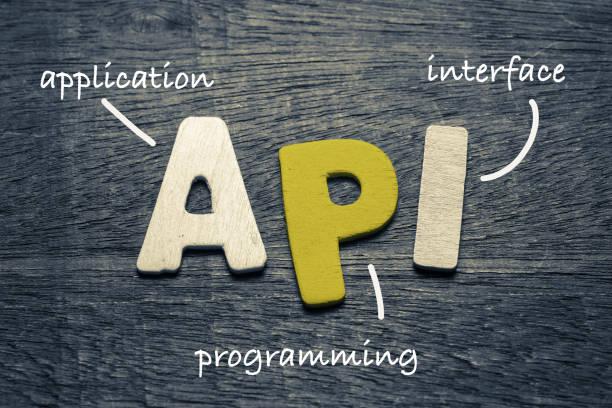
Understanding APIs: Everything Beginners Need to Know
In today's digital world, applications rarely work in isolation. Whether you're ordering food online, booking a flight, making a payment, checking the weather, or logging into a website using your Google account, multiple software systems are communicating behind the scenes. The technology that enables this seamless communication is known as an Application Programming Interface (API).
APIs have become the backbone of modern software development. They allow applications to exchange information securely and efficiently without requiring developers to build every feature from scratch. Businesses use APIs to integrate payment gateways, social media platforms, cloud services, artificial intelligence, and countless other technologies into their applications.
As digital transformation accelerates, API knowledge has become an essential skill for software developers, cloud engineers, DevOps professionals, data analysts, and cybersecurity specialists. Even non-technical professionals can benefit from understanding how APIs work, as they play a central role in the technology ecosystem.
In this guide, you'll learn what APIs are, how they work, the different types of APIs, their benefits, common use cases, security best practices, and why they are fundamental to modern software development.
What Is an API?
An Application Programming Interface (API) is a set of rules and protocols that allows different software applications to communicate with one another.
Think of an API as a waiter in a restaurant.
- You (the customer) place an order.
- The waiter (API) delivers your request to the kitchen.
- The kitchen prepares your meal.
- The waiter brings the finished meal back to you.
Similarly, an API receives a request from one application, passes it to another system, retrieves the requested information, and returns the response.
This process happens within seconds and is usually invisible to the user.
Why APIs Matter
Without APIs, software applications would struggle to share information efficiently.
APIs allow businesses to:
- Connect multiple systems
- Automate business processes
- Improve user experiences
- Reduce development time
- Increase software scalability
- Integrate third-party services
They have become indispensable in modern software architecture.
How APIs Work
Every API interaction generally follows four simple steps.
1. Client Sends a Request
A client (such as a mobile app or website) sends a request to the API.
For example:
A weather application requests today's forecast.
2. API Receives the Request
The API validates the request and forwards it to the appropriate server or database.
3. Server Processes the Request
The server retrieves the requested information or performs the required operation.
4. API Returns the Response
The API sends the result back to the client, usually in JSON or XML format.
The user then sees the requested information displayed in the application.
Types of APIs
Different APIs serve different purposes.
1. Open APIs
Also known as public APIs, these are available for external developers.
Examples include:
- Weather APIs
- Currency exchange APIs
- Maps APIs
2. Private APIs
Private APIs are used internally within an organization to connect internal systems.
These APIs are not accessible to the public.
3. Partner APIs
Partner APIs are shared only with approved business partners.
They often require authentication and contractual agreements.
4. Composite APIs
Composite APIs combine multiple requests into a single call, improving performance and reducing network traffic.
Common API Architectures
Several API architectures are widely used today.
REST API
REST (Representational State Transfer) is the most popular API architecture.
Advantages include:
- Lightweight
- Easy to use
- Scalable
- Supports JSON
- Ideal for web applications
SOAP API
SOAP (Simple Object Access Protocol) is commonly used in enterprise environments requiring strict security and reliability.
GraphQL
GraphQL allows clients to request exactly the data they need.
Benefits include:
- Reduced data transfer
- Faster applications
- Greater flexibility
gRPC
gRPC is designed for high-performance communication between services, making it popular in cloud-native applications.
Real-World Examples of APIs
APIs power many everyday digital experiences.
Payment Processing
E-commerce websites use payment APIs to securely process online transactions.
Social Media Login
Many websites allow users to sign in using Google, Facebook, or LinkedIn through authentication APIs.
Weather Applications
Weather apps retrieve forecasts from external weather APIs.
Maps and Navigation
Ride-hailing and delivery apps use mapping APIs to calculate routes and estimate travel times.
AI Applications
Modern AI assistants integrate with APIs to access cloud-based language models, image generation, and speech recognition services.
Benefits of APIs
APIs provide numerous advantages for businesses and developers.
Faster Development
Developers can integrate existing services instead of building everything from scratch.
Improved Scalability
Applications can expand functionality without major redesigns.
Better User Experience
APIs allow seamless integration between services, creating smoother digital experiences.
Cost Savings
Using existing APIs reduces development costs and shortens project timelines.
Innovation
APIs enable organizations to combine technologies in creative ways, accelerating digital transformation.
API Security Best Practices
Because APIs expose valuable data and services, security is essential.
Key practices include:
- Authentication using API keys or OAuth
- Authorization to control access
- HTTPS encryption
- Rate limiting to prevent abuse
- Input validation
- Logging and monitoring
- Regular security testing
Secure APIs protect both businesses and users from cyber threats.
Challenges of Working with APIs
Despite their benefits, APIs also present challenges.
Version Compatibility
Changes to APIs can break existing applications if compatibility is not maintained.
Rate Limits
Many APIs limit the number of requests clients can make within a specific period.
Security Risks
Poorly secured APIs can expose sensitive information or create opportunities for attackers.
Downtime
Applications relying on external APIs may experience service interruptions if the API provider experiences outages.
Careers That Benefit from API Knowledge
Understanding APIs is valuable for many technology roles, including:
- Software Developer
- Backend Developer
- Frontend Developer
- Mobile App Developer
- Cloud Engineer
- DevOps Engineer
- Data Engineer
- Cybersecurity Analyst
- AI Engineer
API knowledge has become a core competency in modern IT.
Future Trends
The API ecosystem continues to evolve.
Key trends include:
- AI-powered APIs
- Serverless APIs
- Event-driven architectures
- API-first software development
- Zero Trust API security
- GraphQL adoption
- API automation and testing
Organizations increasingly view APIs as strategic assets that enable innovation and digital growth.
Frequently Asked Questions
What is an API in simple terms?
An API is a bridge that allows different software applications to communicate and exchange information.
Do I need programming knowledge to use APIs?
Basic API usage often requires minimal programming knowledge, but building or integrating APIs typically involves programming skills.
What is the most popular API type?
REST APIs are currently the most widely used because they are simple, scalable, and efficient.
Why is API security important?
APIs often handle sensitive data and business operations. Proper security prevents unauthorized access and protects user information.
Is learning APIs worth it?
Yes. API knowledge is valuable across software development, cloud computing, DevOps, AI, cybersecurity, and many other technology careers.
Conclusion
APIs have become the foundation of modern software development, enabling applications to communicate, share data, and deliver seamless digital experiences. From online payments and social media integrations to cloud computing and artificial intelligence, APIs make countless everyday technologies possible.
For aspiring IT professionals, understanding APIs is no longer optional. Whether you're building web applications, working with cloud services, automating workflows, or developing AI-powered solutions, API knowledge will help you create more powerful, scalable, and interconnected software.
By learning API fundamentals, exploring RESTful services, and practicing API integration through real-world projects, you'll gain a valuable skill that will remain relevant as technology continues to evolve.
Recent Insights


Student Reviews
Authentic experiences and reviews from our global training alumni will be displayed right here shortly.
Global Cohort
Advance From Foundation To Technical Leadership
Secure your specialized path tracker in Cyber Analytics, Data Science, or Cloud Systems Engineering.
Join Training Track