
The Benefits of IT Infrastructure Modernization for Growing Businesses
Introduction
Technology has become the backbone of nearly every successful business. From communication and customer service to financial management and cybersecurity, organizations rely on modern IT systems to operate efficiently and remain competitive.
Unfortunately, many businesses still depend on outdated technology that slows productivity, increases maintenance costs, and exposes them to security risks. Legacy hardware, unsupported software, and aging network infrastructure often prevent organizations from taking advantage of new technologies that could improve efficiency and profitability.
This is why IT infrastructure modernization has become a top priority for organizations of all sizes. Modernizing IT infrastructure involves upgrading hardware, software, networks, cloud environments, and security systems to create a more agile, secure, and scalable technology ecosystem.
Whether you operate a startup, small business, or large enterprise, investing in modern IT infrastructure can significantly improve business performance and prepare your organization for future growth.
What Is IT Infrastructure Modernization?
IT infrastructure modernization is the process of replacing outdated technology with modern, efficient, and scalable solutions.
It may involve upgrading:
- Servers
- Storage systems
- Business applications
- Network equipment
- Cloud infrastructure
- Cybersecurity solutions
- Data management systems
The goal is to create an IT environment that supports business growth while reducing operational inefficiencies.
Unlike simple hardware replacement, modernization focuses on aligning technology with long-term business objectives.
Why Legacy Systems Are Holding Businesses Back
Many organizations continue using outdated systems because replacing them appears expensive or disruptive.
However, legacy technology often creates hidden costs such as:
- Frequent downtime
- Slow system performance
- High maintenance expenses
- Increased cybersecurity risks
- Limited scalability
- Poor compatibility with modern software
As businesses grow, these limitations become even more apparent.
Modern IT infrastructure eliminates these bottlenecks and enables organizations to operate more efficiently.
Improved Business Performance
One of the most immediate benefits of IT infrastructure modernization is improved performance.
Modern systems process information faster, support more users, and deliver better reliability.
Employees experience:
- Faster application performance
- Reduced waiting times
- Improved collaboration
- Better access to business data
These improvements translate into higher productivity across the organization.
Enhanced Cybersecurity Protection
Cybersecurity threats continue to evolve, making outdated systems increasingly vulnerable.
Older operating systems and unsupported software often lack critical security updates, creating opportunities for cybercriminals.
Modern infrastructure strengthens security through:
- Advanced endpoint protection
- Zero Trust security models
- Multi-factor authentication
- Encryption technologies
- Network monitoring
- Automated threat detection
These capabilities significantly reduce the likelihood of successful cyberattacks.
Better Scalability
Business growth requires technology that can adapt quickly.
Modern IT infrastructure allows organizations to:
- Add new users easily
- Expand storage capacity
- Deploy new applications
- Support hybrid and remote work environments
Cloud-based infrastructure provides virtually unlimited scalability without requiring large hardware investments.
This flexibility enables businesses to respond quickly to changing market conditions.
Cost Savings Over Time
Although modernization requires an initial investment, it often reduces long-term operating costs.
Organizations save money through:
- Lower maintenance expenses
- Reduced hardware failures
- Improved energy efficiency
- Less downtime
- Automated system management
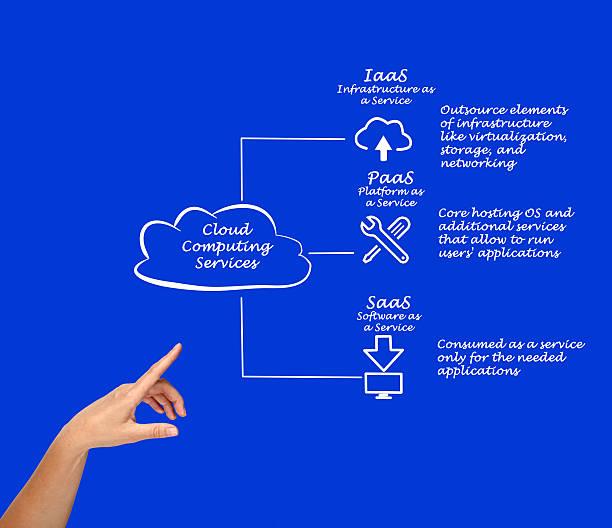
Cloud computing also reduces the need for expensive on-premises equipment and ongoing maintenance.
These savings contribute to a stronger return on investment over time.
Supporting Digital Transformation
Digital transformation depends on modern technology.
Businesses seeking to implement:
- Artificial intelligence
- Business analytics
- Cloud computing
- Automation
- Internet of Things (IoT)
need reliable and scalable IT infrastructure.
Without modernization, organizations may struggle to adopt these innovations effectively.
A modern infrastructure provides the foundation required for digital transformation initiatives.
Improving Employee Productivity
Employees rely on technology throughout their workday.
Outdated systems can cause:
- Slow login times
- Frequent crashes
- Software compatibility issues
- Network interruptions
Modern IT infrastructure minimizes these problems, allowing employees to focus on high-value work rather than technical frustrations.
Improved collaboration platforms also enhance teamwork across departments and remote locations.
Strengthening Disaster Recovery
Unexpected disruptions such as cyberattacks, hardware failures, or natural disasters can significantly impact business operations.
Modern infrastructure supports business continuity through:
- Automated backups
- Cloud-based disaster recovery
- Data replication
- High availability systems
These capabilities ensure organizations can recover quickly while minimizing operational downtime.
Best Practices for Infrastructure Modernization
Successful modernization requires careful planning.
Organizations should:
Assess Current Infrastructure
Evaluate existing hardware, software, and network performance.
Define Business Goals
Technology investments should support measurable business objectives.
Prioritize Cybersecurity
Security should be integrated throughout the modernization process.
Adopt Cloud Technologies
Cloud computing improves flexibility, scalability, and cost efficiency.
Train Employees
Ensure staff understand new technologies and workflows.
Partner with IT Experts
Experienced IT consultants can simplify implementation and reduce project risks.
Future Trends in IT Infrastructure
Modern infrastructure continues to evolve with emerging technologies such as:
- Artificial intelligence
- Edge computing
- Hybrid cloud environments
- Software-defined networking
- Hyperautomation
- Zero Trust security architecture
Businesses that embrace these innovations will be better positioned to remain competitive and resilient.
Conclusion
IT infrastructure modernization is no longer optional for organizations seeking sustainable growth and long-term success. Modern technology improves performance, strengthens cybersecurity, supports digital transformation, and enables businesses to scale efficiently.
By replacing outdated systems with modern IT solutions, organizations can improve productivity, reduce operational costs, enhance customer experiences, and build a technology foundation capable of supporting future innovation.
Businesses that invest in IT infrastructure modernization today are preparing themselves to compete successfully in tomorrow's digital economy.
Recent Insights


Student Reviews
Authentic experiences and reviews from our global training alumni will be displayed right here shortly.
Global Cohort
Advance From Foundation To Technical Leadership
Secure your specialized path tracker in Cyber Analytics, Data Science, or Cloud Systems Engineering.
Join Training Track