How Digital Twins Are Transforming Manufacturing in 2026
The manufacturing industry is undergoing one of its biggest transformations in history, driven by advancements in artificial intelligence (AI), the Internet of Things (IoT), cloud computing, and automation. At the center of this evolution is Digital Twin technology, a groundbreaking innovation that allows manufacturers to create virtual replicas of physical products, machines, production lines, and even entire factories.
As businesses strive to improve productivity, reduce operational costs, and remain competitive, Digital Twins have become a cornerstone of Industry 4.0. Rather than relying solely on historical data or manual inspections, manufacturers can now monitor equipment in real time, predict failures before they occur, and optimize production processes with remarkable precision.
In 2026, Digital Twins are no longer a futuristic concept—they are an essential tool for organizations embracing digital transformation. This article explores what Digital Twins are, how they work, their benefits, real-world applications, challenges, and why they are shaping the future of manufacturing.
What Is a Digital Twin?
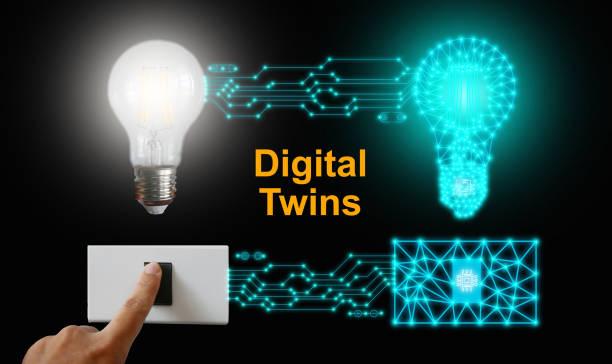
A Digital Twin is a virtual representation of a physical object, system, or process that mirrors its real-world counterpart using real-time data.
Unlike a simple 3D model, a Digital Twin continuously updates itself through sensors and connected devices. These updates allow engineers and managers to monitor equipment, simulate performance, and make informed decisions based on live operational data.
For example, a manufacturing company can create a Digital Twin of an assembly line. Sensors installed on machines transmit data about temperature, vibration, speed, and energy consumption. The Digital Twin analyzes this information, enabling the company to detect inefficiencies, predict maintenance needs, and improve production performance.
How Digital Twin Technology Works
Digital Twin technology combines several advanced technologies into a unified ecosystem.
1. Data Collection
Sensors installed on machines continuously gather operational data, including:
- Temperature
- Pressure
- Speed
- Energy usage
- Machine vibrations
- Production output
2. Data Transmission
Collected information is transmitted through secure Industrial Internet of Things (IIoT) networks to cloud platforms or edge computing systems.
3. Digital Model Creation
The incoming data updates a virtual model that accurately reflects the current condition of physical assets.
4. Data Analysis
Artificial Intelligence and Machine Learning algorithms analyze the data to identify trends, detect abnormalities, and generate predictive insights.
5. Decision Making
Manufacturers use dashboards and analytics to optimize production schedules, reduce downtime, improve quality, and lower maintenance costs.
Benefits of Digital Twins in Manufacturing
1. Predictive Maintenance
One of the biggest advantages of Digital Twins is predictive maintenance.
Instead of waiting for equipment to fail, manufacturers receive early warnings when sensors detect abnormal behavior.
Benefits include:
- Reduced downtime
- Lower repair costs
- Increased equipment lifespan
- Improved operational efficiency
Predictive maintenance significantly reduces unexpected production interruptions.
2. Improved Product Quality
Digital Twins continuously monitor manufacturing conditions.
If production parameters begin to drift outside acceptable ranges, corrective actions can be taken immediately before defective products are produced.
This leads to:
- Better quality control
- Reduced waste
- Increased customer satisfaction
3. Real-Time Monitoring
Manufacturing managers can monitor operations remotely through cloud dashboards.
Real-time visibility enables faster decision-making and immediate responses to operational issues.
4. Faster Product Development
Before manufacturing a new product, engineers can test designs inside a Digital Twin environment.
This reduces:
- Prototype costs
- Design errors
- Development time
Companies can bring products to market much faster.
5. Energy Optimization
Manufacturing facilities consume significant amounts of energy.
Digital Twins identify areas where energy is being wasted and recommend improvements.
Benefits include:
- Lower electricity bills
- Reduced carbon emissions
- Improved sustainability
Digital Twins and Industry 4.0
Industry 4.0 represents the fourth industrial revolution, characterized by intelligent automation and interconnected manufacturing systems.
Digital Twins support Industry 4.0 by integrating:
- Artificial Intelligence
- Industrial IoT
- Robotics
- Big Data Analytics
- Cloud Computing
- Edge Computing
Together, these technologies create highly efficient, data-driven manufacturing environments.
Real-World Applications of Digital Twins
Automotive Manufacturing
Automotive companies use Digital Twins to simulate production lines before implementing changes.
Benefits include:
- Faster assembly
- Improved vehicle quality
- Reduced production costs
Aerospace Industry
Aircraft manufacturers use Digital Twins to monitor engines throughout their operational lifecycle.
Engineers can predict maintenance requirements before failures occur, improving passenger safety.
Electronics Manufacturing
Manufacturers of smartphones and electronic devices use Digital Twins to improve assembly precision and detect quality issues early.
Pharmaceutical Manufacturing
Digital Twins help pharmaceutical companies monitor production conditions to ensure compliance with strict regulatory standards.
Food and Beverage Industry
Manufacturers optimize packaging, storage, and production processes while maintaining food safety standards.
AI and Digital Twins
Artificial Intelligence makes Digital Twins even more powerful.
Machine learning algorithms analyze historical and real-time data to:
- Predict equipment failures
- Optimize maintenance schedules
- Forecast production demand
- Detect anomalies
- Improve inventory management
As AI continues to evolve, Digital Twins will become increasingly autonomous and capable of making real-time optimization decisions with minimal human intervention.
Challenges of Implementing Digital Twins
Despite their advantages, Digital Twins present several challenges.
High Initial Investment
Implementing sensors, IoT infrastructure, cloud services, and analytics platforms requires significant capital investment.
Data Security
Manufacturing data is highly valuable.
Organizations must implement robust cybersecurity measures to protect sensitive operational information.
Integration Complexity
Many manufacturers still operate legacy systems.
Integrating Digital Twins with older equipment may require specialized expertise and additional investments.
Skills Gap
Organizations need professionals with expertise in:
- Artificial Intelligence
- Cloud Computing
- Data Analytics
- IoT
- Cybersecurity
Upskilling employees is essential for successful Digital Twin adoption.
Future Trends in Digital Twin Technology
Several emerging trends will shape the future of Digital Twins.
AI-Powered Autonomous Factories
Factories will increasingly rely on AI-driven Digital Twins to automate production optimization.
Edge Computing Integration
Processing data closer to machines will reduce latency and improve response times.
Sustainability Monitoring
Digital Twins will help organizations achieve environmental goals by optimizing energy consumption and reducing waste.
Extended Reality (XR)
Engineers will use augmented and virtual reality alongside Digital Twins for maintenance, training, and remote collaboration.
Supply Chain Digital Twins
Entire supply chains will be digitally replicated, allowing businesses to predict disruptions and optimize logistics.
Why Businesses Should Invest in Digital Twins
Organizations adopting Digital Twin technology gain several competitive advantages.
These include:
- Higher productivity
- Lower maintenance costs
- Faster innovation
- Improved product quality
- Better customer satisfaction
- Increased operational efficiency
- Stronger sustainability initiatives
As manufacturing becomes increasingly digital, companies that fail to embrace Digital Twins risk falling behind competitors that leverage real-time data and intelligent automation.
Frequently Asked Questions
What is a Digital Twin?
A Digital Twin is a virtual replica of a physical object, machine, or process that uses real-time data to simulate, monitor, and optimize performance.
Which industries use Digital Twins?
Industries such as manufacturing, automotive, aerospace, healthcare, construction, energy, logistics, and pharmaceuticals widely use Digital Twin technology.
How do Digital Twins improve manufacturing?
They enable predictive maintenance, improve quality control, reduce downtime, optimize energy usage, and accelerate product development.
Is AI necessary for Digital Twins?
While basic Digital Twins can function without AI, integrating Artificial Intelligence significantly enhances predictive analytics, automation, and decision-making capabilities.
Are Digital Twins part of Industry 4.0?
Yes. Digital Twins are one of the core technologies driving Industry 4.0 alongside IoT, AI, cloud computing, robotics, and big data analytics.
Conclusion
Digital Twin technology is reshaping manufacturing by bridging the gap between physical operations and digital intelligence. With real-time monitoring, predictive maintenance, AI-powered analytics, and seamless integration with Industry 4.0 technologies, Digital Twins empower organizations to improve efficiency, reduce costs, and innovate faster than ever before.
As adoption continues to accelerate in 2026, manufacturers that invest in Digital Twins will be better positioned to navigate market challenges, meet evolving customer demands, and build more resilient, sustainable operations. Whether you're a business leader planning a digital transformation or a technology professional looking to stay ahead, understanding Digital Twins is no longer optional—it's a strategic advantage for the future of manufacturing.
Recent Insights

Student Reviews
Authentic experiences and reviews from our global training alumni will be displayed right here shortly.
Global Cohort
Advance From Foundation To Technical Leadership
Secure your specialized path tracker in Cyber Analytics, Data Science, or Cloud Systems Engineering.
Join Training Track